Beskrivning
Art.nr: TK63MM
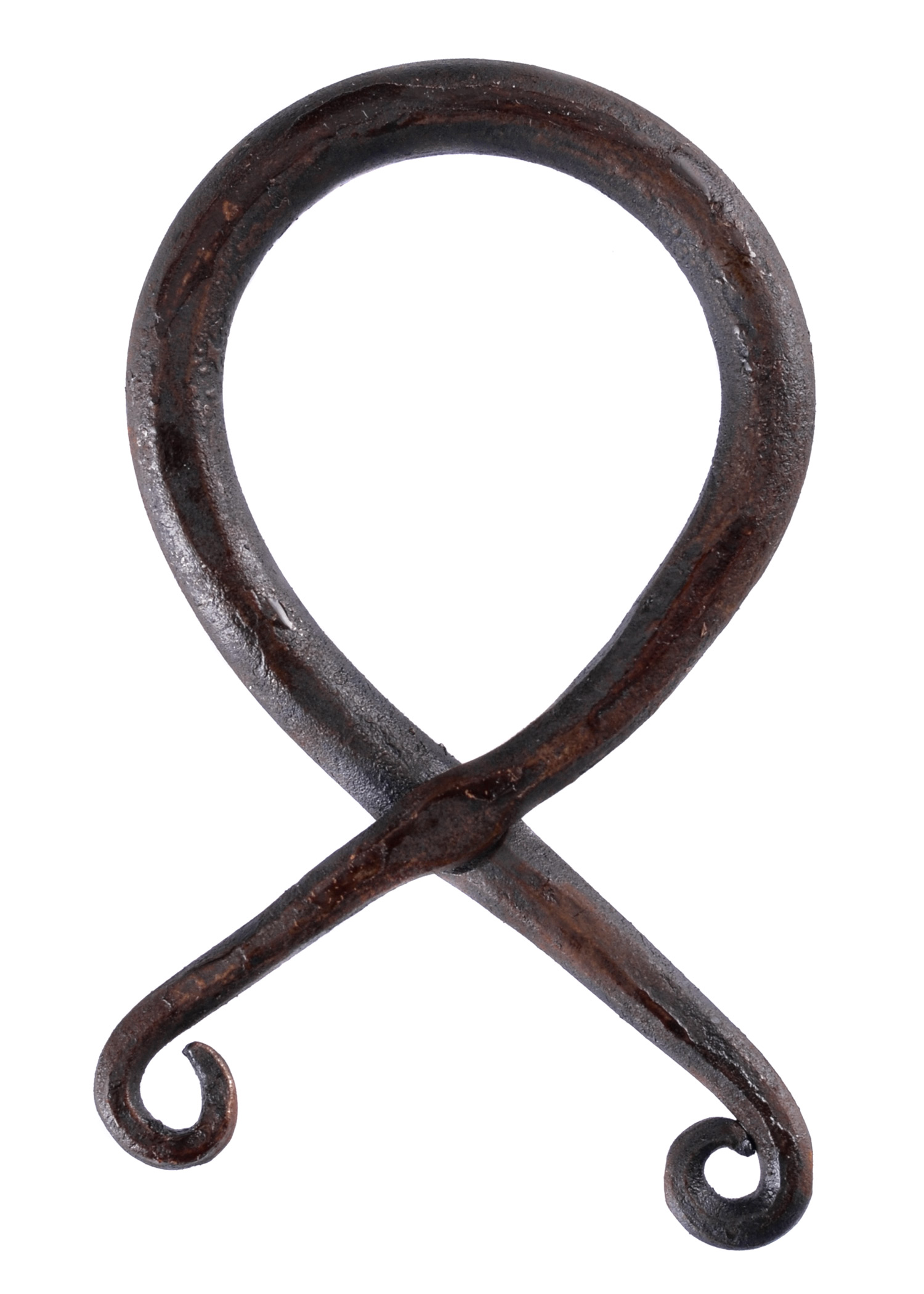
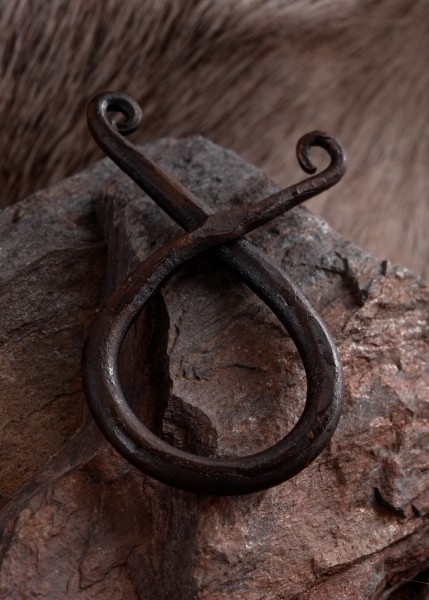
Smedja Trollkors av Kolstål
Trollkors tillverkad av järn/smide
Storlek: 63x48x4mm
Ett smitt järnstycke som sattes upp i ladugården för att skydda kreaturen mot trollen eller trolldom
The origin of the troll cross (Swedish: trollkors), commonly thought of as a protective symbol of the old Scandinavian folklore, is a very much debated issue. As there is virtually no archaeological evidence for its roots, there are many speculations and uncertainties whether it is an actual genuine symbol from the Viking Age / Middle Ages or not.
The troll cross presumably goes back to an ancient folk custom that is widespread in large parts of Scandinavia. It is said that troll crosses made of iron were placed over front doors, windows and barn gates to protect people, livestock and houses from cunning trolls, evil magic, ghosts, diseases and all kinds of other dangers. Because of its shape, the troll cross is sometimes associated with the Odal or Othala rune from the Elder Futhark (oldest runic alphabet), which stands for estate and heritage / inheritance - but here again there are no documented, verifiable sources for this assumption.
Although the toll cross is obviously based on a tradition or a popular belief, its shape as we know it today (circular, crossed at the bottom) as well as its use as a pendant or lucky charm / talisman are quite contemporary. It was not until the late 1990's that a Swedish blacksmith designed a pendant in this particular shape, which quickly gained great popularity. Nowadays, the iron troll cross is a popular protective amulet with the Germanic Neopagan community (among others Ásatrú).